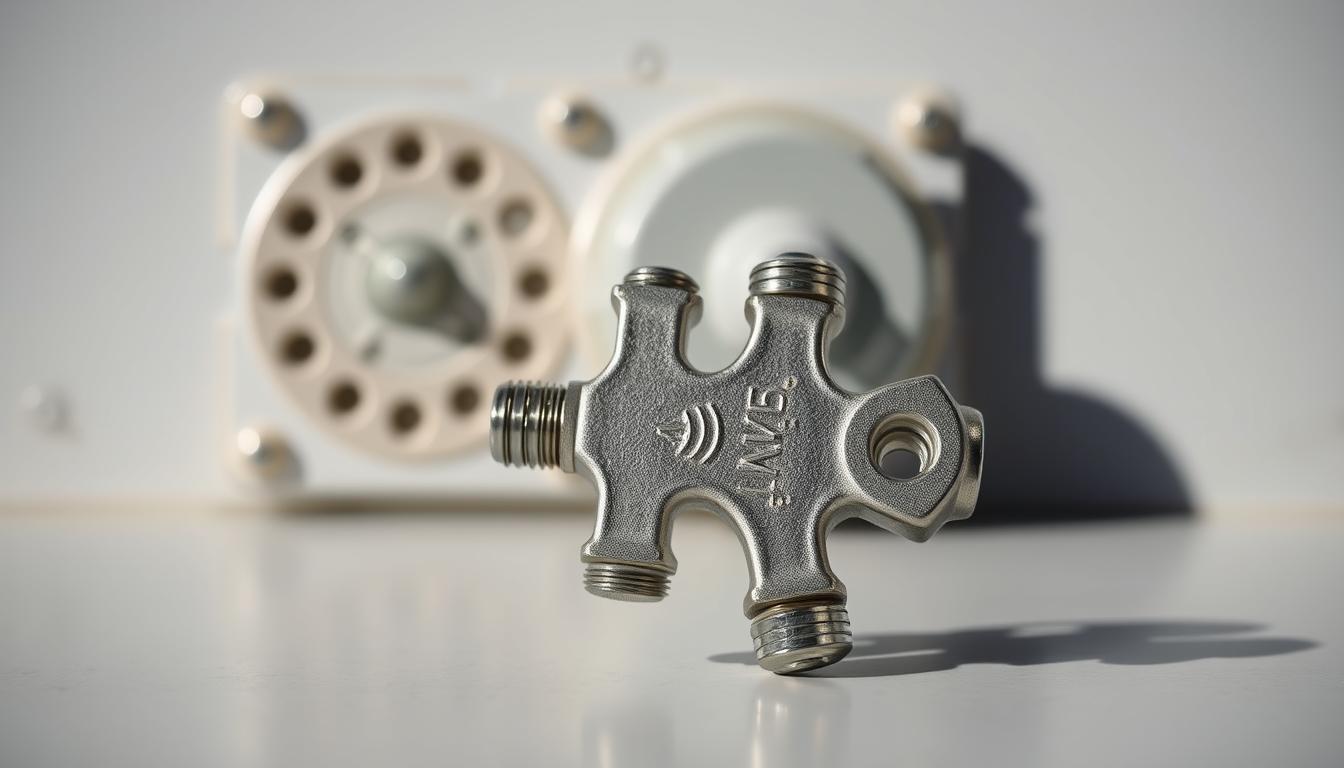
Key 4 Way Silcock Key for Utility Access
A 4 Way Silcock Key is a hand-sized tool engineered to open recessed keyed water valves, sillcocks, spigots, and other controlled utility outlets. Property managers, building maintenance teams, and preppers and planners rely on spigot key to get to valves that do not have handles or are located inside cabinets, transit boxes, or outside utility boxes.
Common uses include apartment buildings, multi-unit residential complexes, public outdoor taps, transit equipment cabinets, and industrial radiator valves. Companies such as Jones Stephens and consumer brands like Knipex as well as Husky, Willbond, and Grainger offer versions that differ in finish, weight, and fit. Knowing what is a sillcock key used for lets crews pick the proper tool for metered water access and urgent water shutoff tasks.
Thanks to its portable and versatile design, a 4 Way Silcock Key is useful in vehicle emergency kits, bug-out bags, and maintenance toolkits. It serves as a key for water valve access while discouraging misuse of metered supplies and enabling quick response during leaks or utility work. For anyone trying to decide on the best sillcock key, consider construction quality and compatible head patterns when comparing choices.
What is a Sillcock and Why It Matters
A sillcock is an outside spigot that gives outdoor water access. People frequently ask what is a sillcock or what is a silcock. Both spellings refer to the same device, commonly referred to as a hose bib when a garden hose can connect. Some versions use a recessed or keyed drive instead of a standard handle to control who can operate the valve.
Keyed models illustrate what a sillcock key is. That key engages a square or hex cavity and lets only users with the correct tool operate it. Buildings that meter water by unit, public parks, and transit facilities often use keyed fittings to prevent unauthorized usage.
The locations where sillcocks are installed vary by property type. Single-family homes commonly rely on standard sillcocks for garden hoses and lawn care. Commercial properties and apartment complexes commonly install keyed sillcocks to safeguard shared resources. Industrial yards, exterior radiator cabinets, and municipal walk-up taps also feature keyed access points.
Keyed fittings come in various patterns. A hose bib with key may use a recessed square or hex-shaped recess. This design helps reduce tampering and theft. Personnel use specific keys to turn them, which helps maintain meter accuracy and service integrity.
Security with keyed sillcocks relies on standardized keys and restricted tools. Items like a spiket-bug style tool or a magnetic hydrant key play similar roles for other utility systems. Standardization makes it easy for maintenance crews and managers to gain access while deterring casual users.
| Application | Typical Fitting | Access Tool |
|---|---|---|
| Single-family yard | Standard exterior sillcock with handle | Existing handle or basic wrench |
| Apartment building | Recessed or keyed sillcock | Sillcock key for recessed square |
| Public park | Keyed hose bib or tamper-resistant faucet | Sillcock or multi-way utility key |
| Transit and industrial | Recessed access panels and locked valves | magnetic hydrant key, spiket bug, specialty keys |
Keyed sillcocks have long helped utility managers. They help reduce water waste, protect meters, and streamline maintenance tasks. Many building managers keep multi-way and 4-way keys to match common patterns, so authorized personnel can get to valves without harming fittings.
4 Way Silcock Key
A 4 Way Silcock Key allows operation of a wide range of recessed utility valves with a single tool. It pairs a compact body with multiple ends to work on common commercial and residential water spigots. This brief overview outlines the pattern, standard build details, and who should carry one.
Understanding the Four-Way Hex Pattern Key
The typical four-way hex pattern key has four ends machined to fit square or hex recesses. Common square key sizes in these tools are 1/4″ (6mm), 9/32″ (7mm), 5/16″ (8mm), and 11/32″ (9mm). Some sets offer metric versions and extra bits for uncommon valves. Narrow ends allow the tool to reach deeper cavities while the cross layout offers better leverage for operating key for water valve or silcock key patterns.
Materials and Build Quality
Manufacturers such as Jones Stephens and Hautmec build commercial 4 Way Silcock Key models from plated steel with a T-handle to resist corrosion. Higher-end makers like Knipex use hardened tool steel with nested bits that hold extra tips. Lightweight utility versions are made from stamped steel to reduce carry weight. Many designs include a keychain loop or attachment point and feature chrome or nickel plating for extended lifespan.
Typical Users and Practical Uses
Property managers, building maintenance staff, plumbers, and contractors use a silcock key whenever they need to reach metered or locked spigots. Preppers and vehicle survival kits frequently carry a small key for water in emergencies. The tool suits urban and multi-family settings where a key for water valve prevents unauthorized use of exterior spigots.
| Feature | Common Specification | Advantage |
|---|---|---|
| End sizes | 1/4″, 9/32″, 5/16″, 11/32″ (6–9mm) | Covers most recessed valve openings |
| Material | Plated steel with hardened tool steel variants | Long-lasting, corrosion-resistant construction |
| Weight | ~1.9 oz to ~6.2 oz depending on model | Choice between lightweight carry and heavy-duty strength |
| Extras | T-handle, keychain loop, magnetic nesting | Improved handling and easier storage |
Why a 4 Way Silcock Key Is Valuable for Utility Access
A compact 4 way silcock key brings clear advantages for property managers, maintenance crews, and preparedness-minded owners. It fits the core group of square sizes used on residential and commercial keyed valves. This makes it a handy choice for both routine shutoffs and emergencies.
Compatibility and Versatile Use
The four-sided design works with the common square sizes used on exterior taps and interior service valves. It fits a hose bib with key and fits many municipal and building access points without extra bits. Some manufacturers include triangle or step-square adapters for specialty valves.
Long-Term Durability
High-grade machined steel with plated finishes resists corrosion and stands up to torque on stubborn stems. Brands such as Knipex use tool steel for frequent use; midrange options from Jones Stephens and Hautmec deliver dependable results for regular service tasks. The right choice strikes a balance among longevity, price, and usage level.
Portability and kit placement
Weight and form factor determine where the key lives. Lightweight utility keys around 1.9 oz work well for everyday carry and compact tool rolls. Heavier units in the 5–6 oz range belong in vehicle kits or maintenance closets where extra leverage and attachments are useful. Many keys include attachment points for key rings and some use magnetic hydrant key nesting to cut down on bulk.
| Feature | Lightweight EDC Key | Midrange Maintenance Key | Professional Tool |
|---|---|---|---|
| Typical weight | ~1.9 oz | 3–4 oz | 5–6 oz |
| Common materials | Stamped steel, plated | Forged steel, chrome finish | Tool steel, hardened and machined |
| Best use | Everyday carry, quick access | Building maintenance, regular tasks | Frequent service, high torque jobs |
| Compatibility | Basic square sizes, hose bib with key | Multiple sizes, some adapters | Full set, triangle and step bits |
| Special features | Keyring loop, low profile | Attachment points, stronger finish | Magnetic hydrant key nesting, extra leverage |
| Durability | Good for occasional use | High for regular tasks | Maximum for professional service |
Choosing the Best Sillcock Key and Utility Tools
Choosing the best sillcock key starts with matching tool design to use. Durable materials, proper fit, and overall value matter when turning keyed valves. Weight and size determine whether it works for pocket carry or bag storage. Frequent users may choose higher-end tools while occasional use makes compact and affordable keys more attractive.
Choose a key that fits accurately to prevent stripping valves. Hardened, machined steel resists wear and gives reliable engagement. Check finish and labeling so bits are simple to identify quickly in dim spaces. Consider handle style: T-handles make torque easier but increase bulk, while compact keys keep the form factor small.
Let expected usage frequency guide you. If daily or professional work is expected, choose robust builds that balance weight and torque. For infrequent emergency access, prioritize light kits and the smallest set that covers common sizes.
Comparison of Popular Brands and Models
A quick silcock keys comparison shows where each model excels. Jones Stephens makes a plated steel 4-way key with T-handle sized for typical recessed valves. Hautmec offers a machined-steel 4-way key that many reviewers praise for value. Knipex builds a Twin Key set with magnetic nesting and broad bit options for pros who need variety.
Willbond provides light 4-Way Utilities Keys from Willbond to keep packs light. Buyers should weigh price against durability and intended use. Brands like Husky, Cobra, and Grainger fill other price points with mixed features.
| Model | Material & Weight | Notable Features | Best for |
|---|---|---|---|
| Jones Stephens 4-Way | Plated steel, moderate weight | T-handle, sizes to fit recessed valves, chrome finish | Property maintenance with occasional heavy use |
| Hautmec 4-Way | Machined steel, ~5.6 oz | Labeled squares, solid value | General contractors and managers seeking balance |
| Knipex Twin Key | High-grade steel, ~6.2 oz | Magnetic nesting, wide bit selection | Frequent professional use |
| Willbond 4-Way Utilities Key | Lightweight, ~1.9 oz | Includes common sizes and triangle bit | Minimalist kits and prepper packs |
Specialty and multi-tool alternatives
Professionals may select 8-way keys or twin key sets that use magnetic nesting. These cut down on trips back to the truck and keep bits together. Some multi-tools combine square and triangle bits or add cabinet keys for broader access without a lot of extra weight.
When finalizing a purchase, choose a key set that fits the valves you expect to encounter. Weigh cost against expected wear and how serious a stripped valve would be. The right pick helps property managers and field crews access valves safely and quickly.
Using a Sillcock Key the Right Way
Using a sillcock key is easy as long as basic safety steps are followed. First, identify the right access point and match the key to the valve. This cuts down on slip risk and makes the task require less effort.
Locating and identifying keyed access points
Check for square or hex recesses on outside walls, cabinets, and public spigots. These openings indicate where the key should be inserted. Some keys feature stamped size labels that let you match recesses faster and reduce trial and error.
Correct Turning Technique and Damage Prevention
Use the right square size for the valve so you do not slip or strip the drive. Use the T-handle for steady leverage and apply moderate torque rather than sudden force. If a valve is stiff, try slight back-and-forth rocking to free it without stressing the fitting.
When a valve appears painted or corroded, spray penetrating lubricant and allow it to soak before trying to turn. This reduces the risk of valve damage. If the valve remains stuck after these attempts, seek professional help rather than forcing the key and risking a broken valve.
Caring for and Maintaining the Key
After use, wipe off moisture and dry the key to limit rust. Store it in a dry toolkit or magnetic holder to keep it accessible. Inspect the key periodically for signs of rounding, cracks, or bending. Replace any worn key to avoid failure under torque and to ensure reliable maintenance for silcock key gear.
Knowing how and where a sillcock key is used, along with safe technique helps building staff and homeowners respond quickly. Regular care and correct technique extend tool life and help prevent valve damage during routine and emergency access.
How Property Managers and Preppers Commonly Use 4-Way Silcock Keys
Property managers and preppers use a 4-way silcock key in overlapping but distinct situations. The tool fits metered exterior taps and recessed access points. It reduces response time during leaks and planned shutoffs while limiting tenant misuse.
Multi-Family and Apartment Building Use
Maintenance teams at large complexes use commercial keys from Jones Stephens and similar brands to open the most common valve sizes. Keeping a labeled key for water valve access in the maintenance room saves time during tenant emergencies.
Staff should use a spiket bug or simple tag to identify serviced valves. A magnetic holder inside service trucks organizes keys and makes loss less likely.
Urban Survival, Vehicle Kits, and Field Work
Preppers often include a key for water valve in an urban survival kit or car survival kit. Lightweight options such as the Willbond utility key lower carried weight while still covering frequent fits.
Heavier, stronger models from brands like Knipex or Hautmec suit vehicle storage and professional use. Pair the key with a small flashlight and compact lube spray to improve success in dark or dirty recesses.
Dealing with Stubborn or Painted Valves
Troubleshooting painted valves begins with a light penetrating oil and dwell time. A gentle rock of the key before fully turning can help loosen a stuck stem. If paint covers the recess, carefully scrape away paint near the recess so the key seats properly.
Excessive force risks breaking the key or stripping the valve. When standard measures fail, calling a licensed plumber or maintenance professional is the safest option.
Simple habits improve readiness: keep a dedicated storage spot in the truck or maintenance closet, label the key, and include a small lubricant and flashlight in any kit. These steps make silcock keys for property managers and preppers more effective in daily operations and emergencies.
Final Thoughts
The 4 Way Silcock Key conclusion is clear: this is an affordable, durable tool that unlocks common recessed water valves and other keyed access points. It puts four standard sizes—1/4″, 9/32″, 5/16″, 11/32″—into one compact piece of gear for building maintenance, emergency prep, and daily utility work.
In any silcock keys summary, material and construction matter. Plated steel or machined tool steel offers corrosion resistance and strength, while brands such as Jones Stephens, Hautmec, Knipex, and Willbond supply trusted options. Buyers should align square sizes with their valves, consider how often the key will be used, and keep to best sillcock key practices for long-lasting performance.
Proper technique enhances results: use the correct square size, apply steady torque, and keep the key clean and lightly lubricated. For painted or stubborn valves, you may need penetrating oil or the help of a professional. As a final note, a key for water valve access that offers the right mix of versatility, durability, and portability will serve most users well and simplify utility access in both residential and commercial sites.